Careers in HDD
Where Mentorship Builds HDD Careers
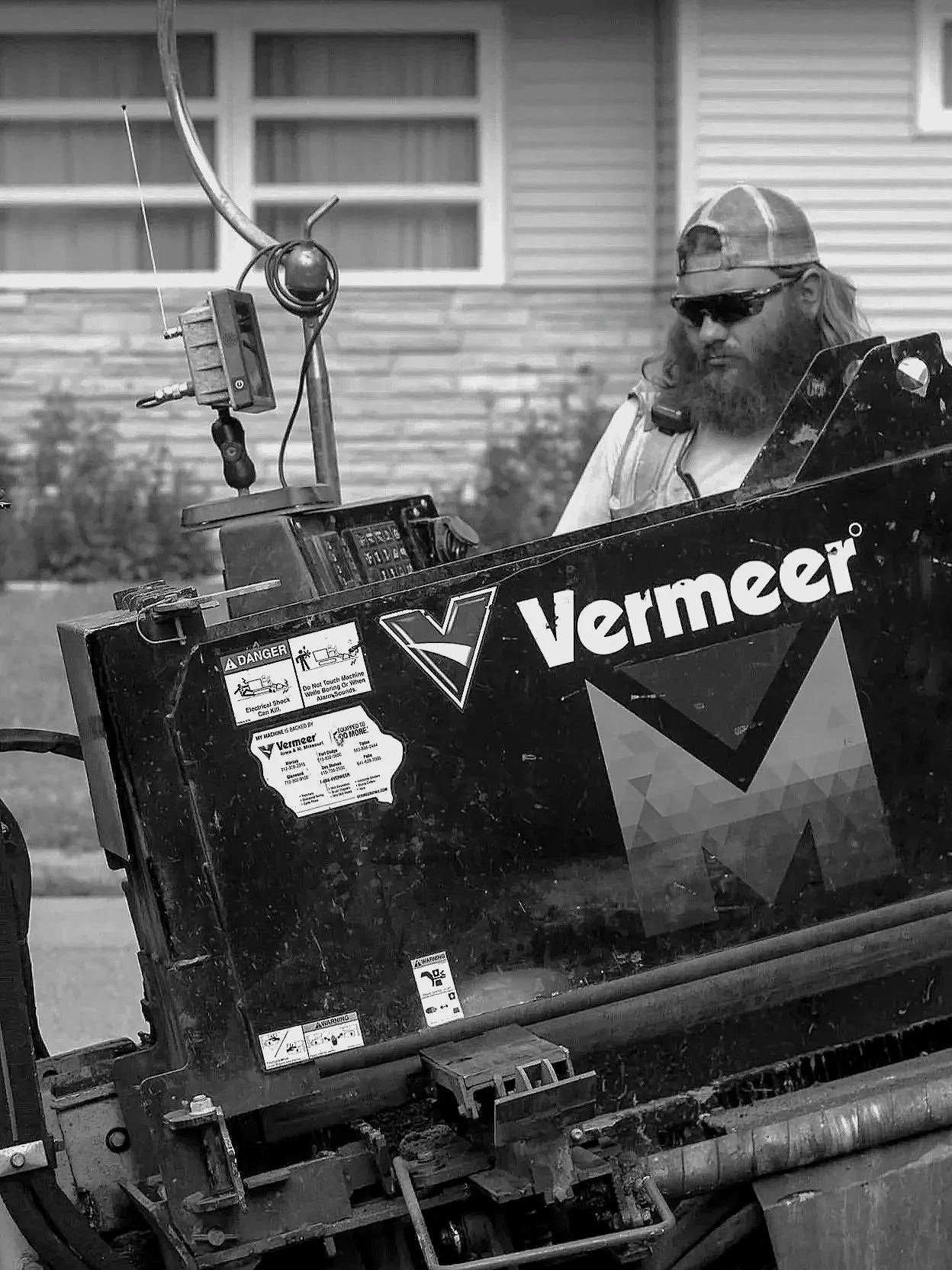
Horizontal directional drilling careers continue to attract workers looking for a skilled trade. Within underground utility construction careers, HDD stands out because entry level workers can build real world skills quickly.
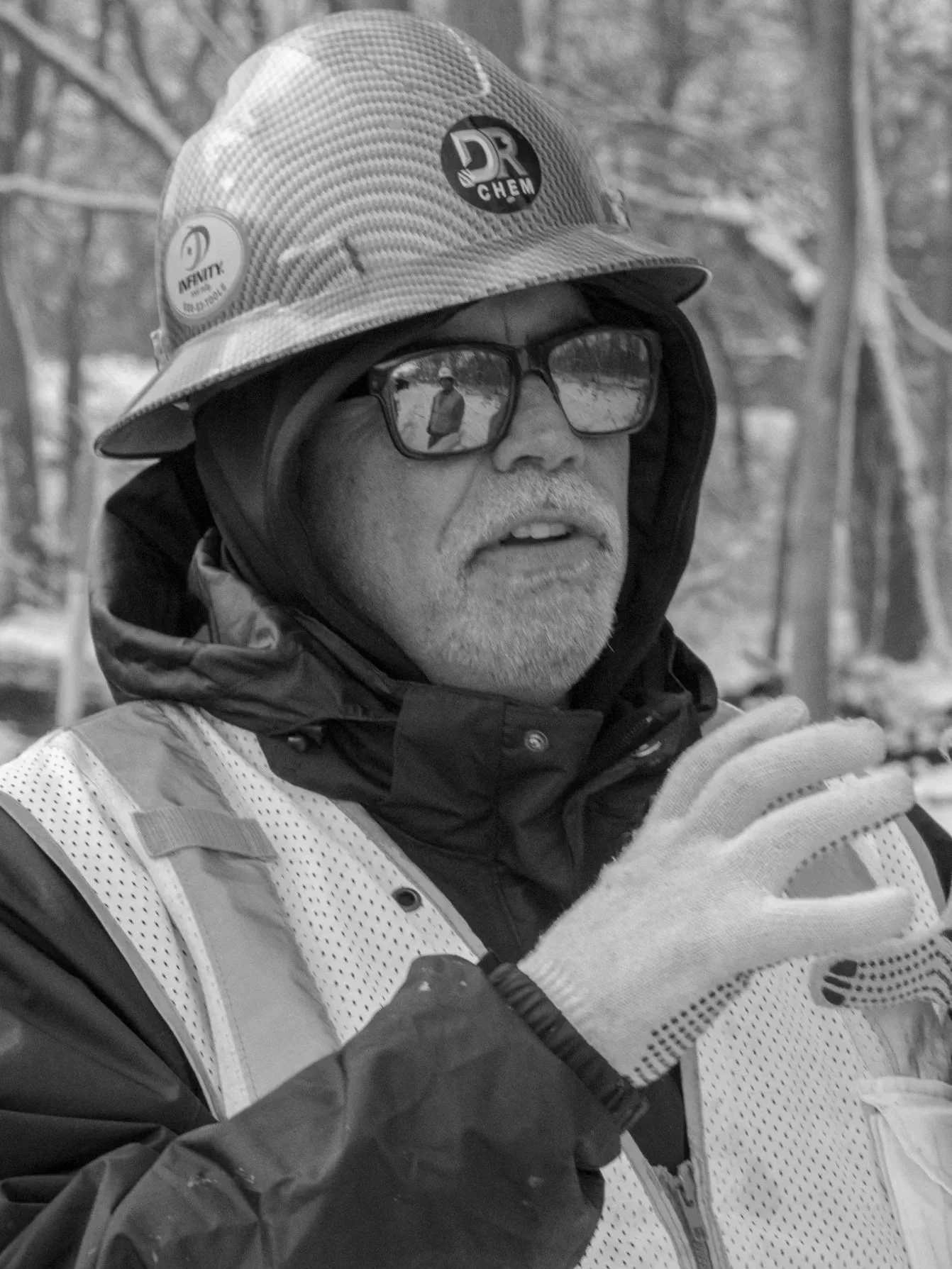
Many people start in entry level HDD jobs with no drilling experience and move up as they learn the equipment, the process, and how the crew works in the field. HDD values hands on learning, paying attention to details, and being dependable. These skills are learned while working closely with a small crew that shares knowledge and experience. Over time, this builds confidence, strong teamwork, and pride in finishing tough jobs together.
With ongoing demand for utilities, fiber, and pipeline work, careers in horizontal directional drilling offer long term stability and growth.
HDD Careers That Power Everyday Life
Horizontal Directional Drilling (HDD) is a way to install underground pipes and cables without digging big trenches. HDD crews drill under roads, buildings, and rivers so cities can grow and repair important services without tearing up the surface. Their work helps keep cities running and allows them to expand.
As cities grow and old infrastructure is updated, horizontal directional drilling is often chosen instead of digging up roads. This means there is steady demand for HDD jobs, with long term projects and stable work in many regions. Because cities always need utility upgrades, HDD work stays in demand across many major U.S. cities.
Jobs in HDD pay well and give people a real chance to build a long term career. The work is steady, so workers don’t usually have to move around just to stay employed. You can start in an entry level role and work your way up to more skilled positions with better pay and more responsibility. For someone new, HDD offers a reliable career in an industry that helps keep everyday infrastructure running.
Where you will be working:
Fiber and telecom lines tied to fiber optic installation jobs
Water, sewer, and storm utilities
Natural gas and electric utilities
Energy and pipeline infrastructure
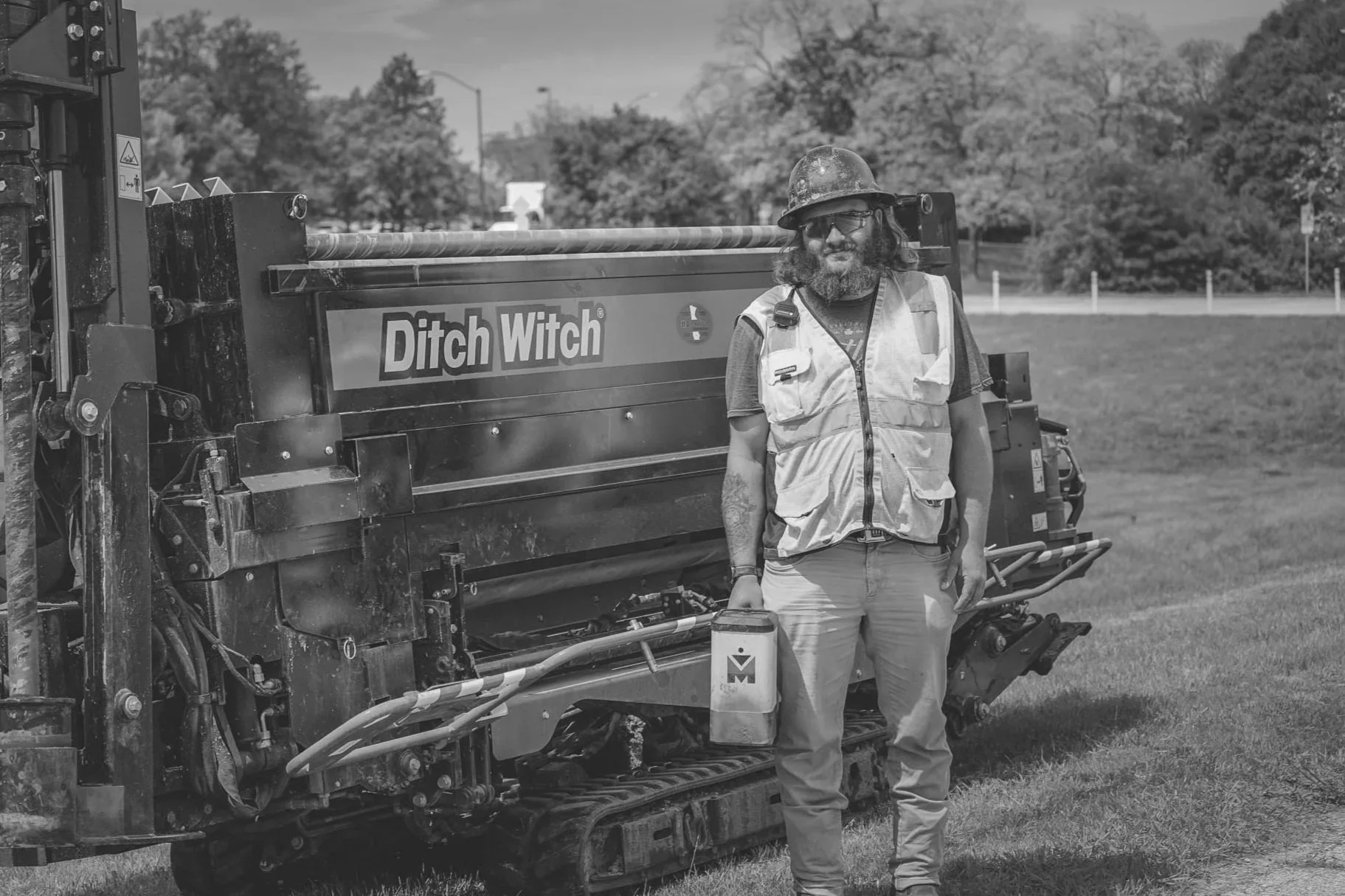
Most HDD jobs are run by small, efficient crews. This structure is intentional. On a horizontal directional drilling site, every crew member plays an impact on efficiency, safety, and quality.
In HDD, most people start in entry level jobs and work their way up step by step. New workers usually begin as laborers, helping with equipment, setting up the job site, and supporting the crew. As they learn and gain experience, they can move into a mud hand role, where they mix and manage drilling fluids that help the drill run smoothly underground. These early jobs teach the basics and prepare workers for more advanced roles later on.
With more training and experience, workers can move up to jobs like HDD Locator and, within about two to three years, Drill Operator. Each step comes with more responsibility and higher skill, and moving up is a big achievement in the trade. For someone new to HDD, this clear path shows how learning on the job and putting in the work can lead to a long term, skilled career.

From Mud hand to Drill Operator
Understanding HDD crew positions is key for anyone exploring careers in this trade. Most crews include:
Laborer- Common starting point for entry level HDD jobs. Supports setup, tooling, and site operations.
Mud hand- Manages drilling fluid systems, mixing, recycling, and returns.
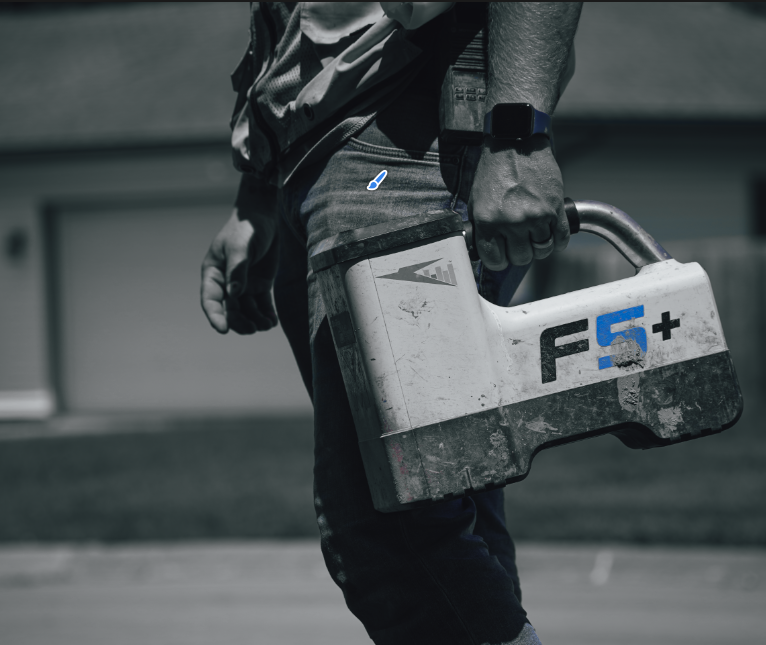
Hdd Locator- Uses locating systems to guide the bore path and communicate steering corrections.
Drill Operator- Operates the rig and leads the drilling process.
A Tech Driven Trade on the Rise in Hdd
Horizontal Directional Drilling has advanced into a technology driven trade over the years. Modern drilling machines use digital controls and real time data to help crews drill more accurately and safely.
Today’s HDD jobs involve:
Advanced locating and tracking systems
Data driven bore planning and execution
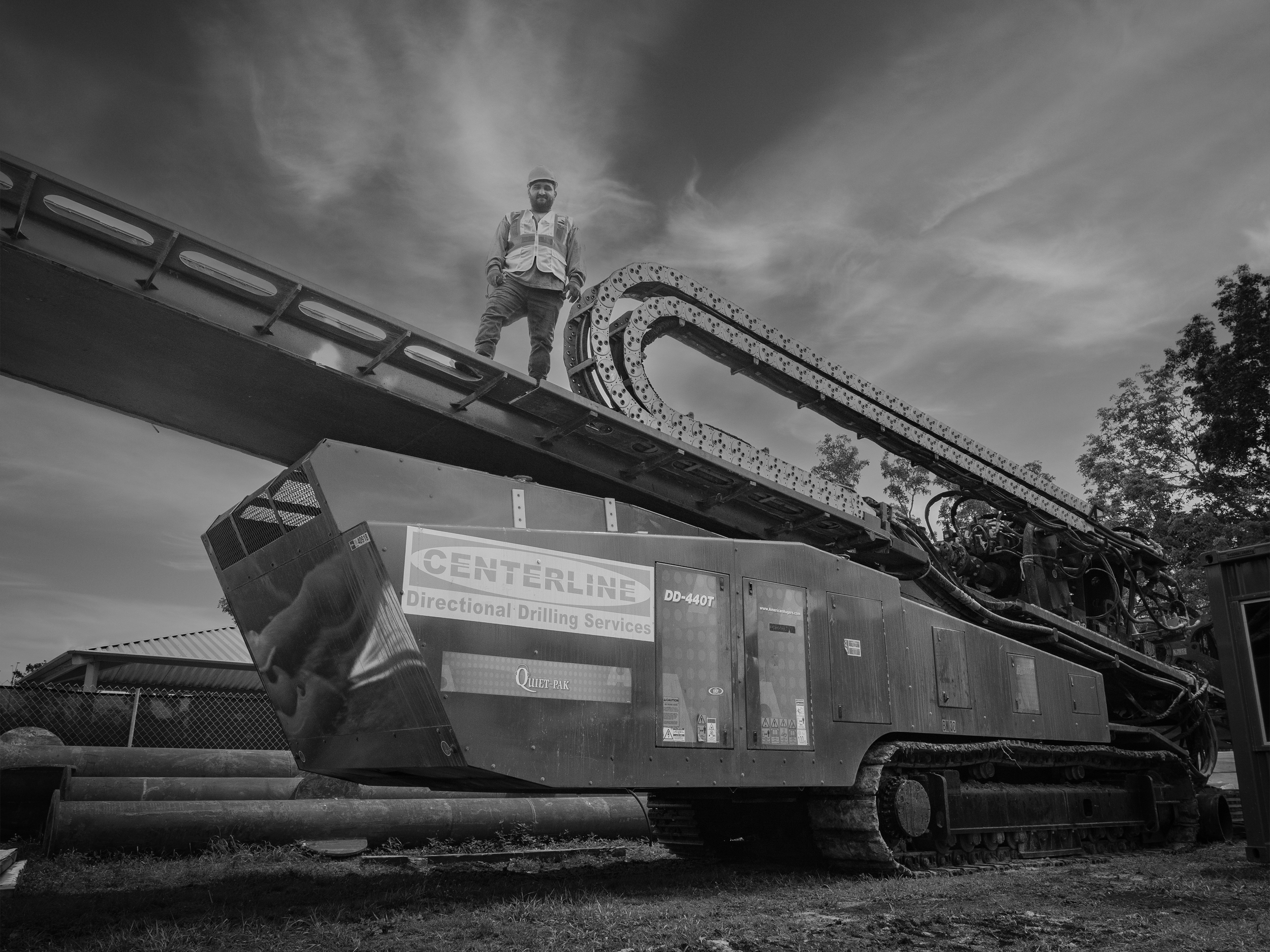
Sophisticated drill rigs and fluid recycling equipment
Crews rely on these electronic locating tools and computer based planning to track the drill underground and avoid existing utilities. These tools make the work more precise and allow projects to be completed more efficiently and effectively than in the past.
HDD workers learn how to use specialized equipment, read data, and fix problems as conditions change underground. For anyone looking into a career in horizontal directional drilling, this mix of hands on work and problem solving is a big plus.
With more money being put into underground utilities, internet expansion, and system upgrades, HDD jobs are expected to stay in demand. This means more job openings and a strong future for workers. For anyone looking for a skilled trade with room to move up, HDD is a solid career choice.